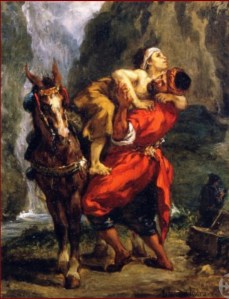
• The Good Samaritan by Eugene Delacroix

    Happy Easter!

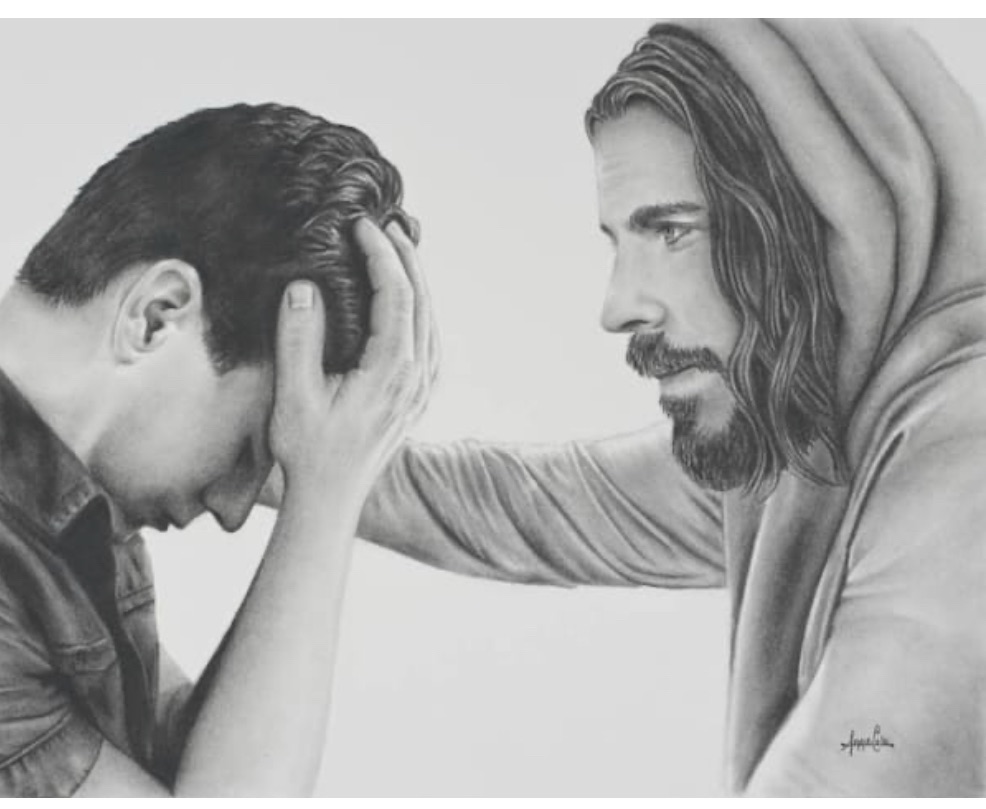
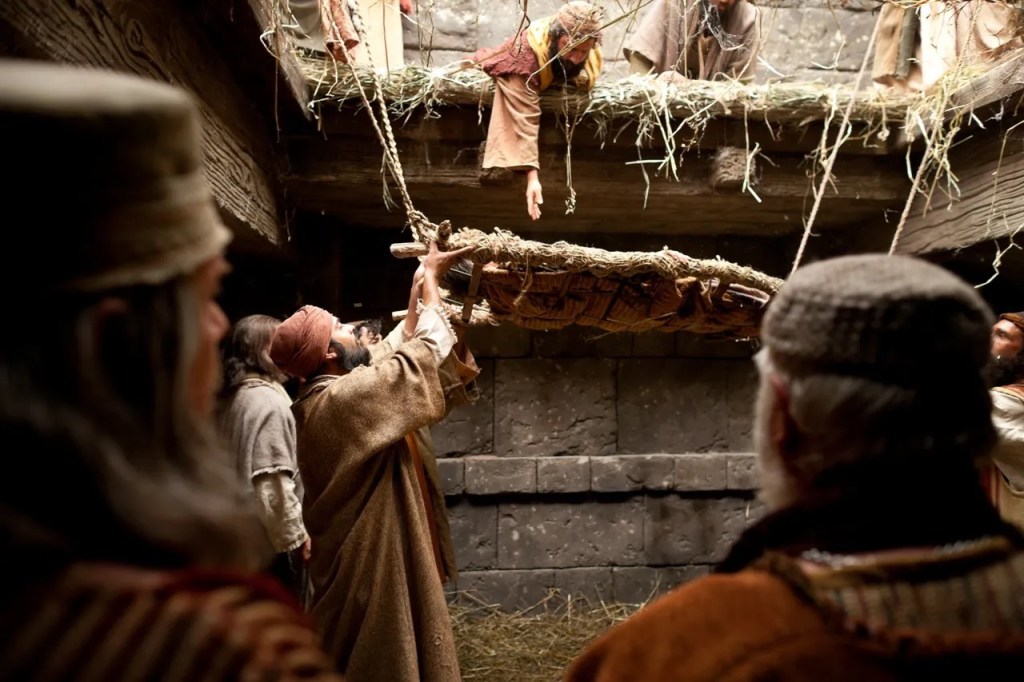
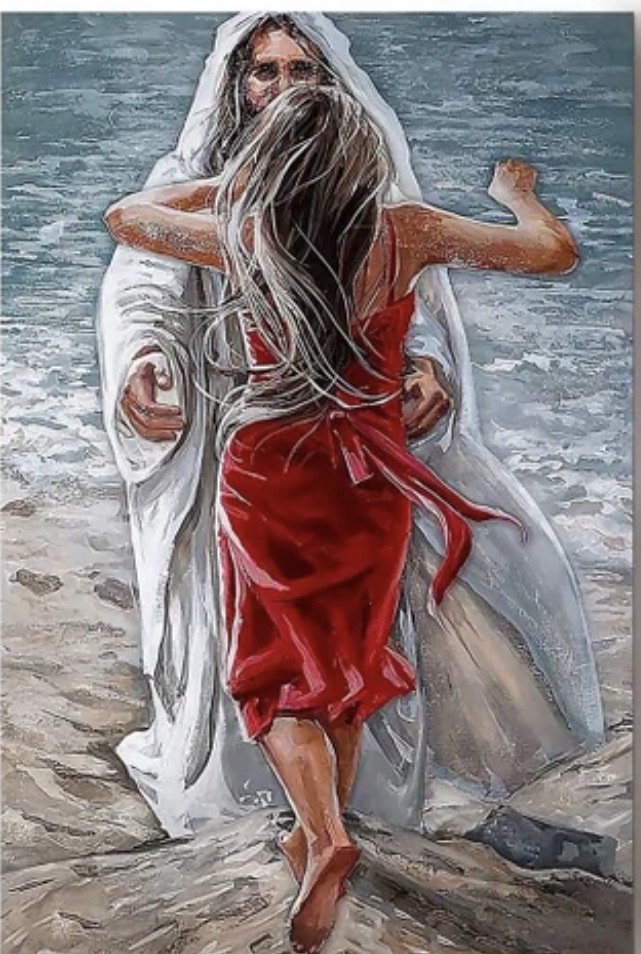
    Well… today’s run turned into a full-on reenactment of the Good Samaritan 😅 — and honestly, a pretty powerful Easter reminder about love, compassion, and how we’re never left alone on the side of the road.

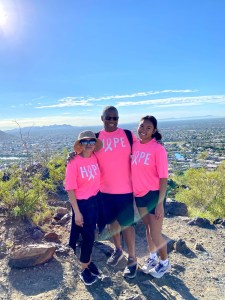
    I was out enjoying a beautiful Saturday morning, feeling strong—checked my watch and got a little too excited about cruising at a 9:19 pace at 14.69 miles… next thing I know, I’m on the ground negotiating with my Apple Watch while it’s threatening to call my family via SOS and 911.

    Enter: a real-life Good Samaritan and his family 🚙✨ They literally turned around, patched me up, gave me a protein bar and water, and got me home. So yes—angels apparently drive BMW SUVs now.

    After that little adventure, I showered called a friend and went to the hospital for stitches, and during X-rays for cracked ribs, I passed out—just to keep things exciting for the technician😳. They checked my blood sugar and immediately ordered me lunch (gourmet meal: grated cheddar cheese on bread 🤔). Good news: no cracked ribs, hand stitched up, and I’ve since refueled with spaghetti and chocolate milk like a true weekend warrior.

    But honestly, it hit me today—Easter is all about Christ lifting us when we fall, sometimes quite literally. And today, He did it through a kind family who stopped.

    “But a certain Samaritan, as he journeyed, came where he was: and when he saw him, he had compassion on him.” — Luke 10:33

    Today I was definitely that guy on the side of the road suffering and disoriented… and I’m incredibly grateful someone stopped. I’m okay, stitched up, slightly humbled—but after a nap, spaghetti, and chocolate milk, I’m obviously ready for my next run 🏃🏾‍♂️

    Praying you will have a blessed and joyous Easter.

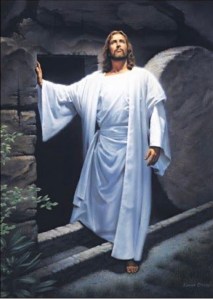
  • He Lives by Simon Dewey

    On that first Easter morning, the angel declared: “He is not here: for he is risen.” Matthew 28:6

    Those words not only changed the world. They also changed my life.

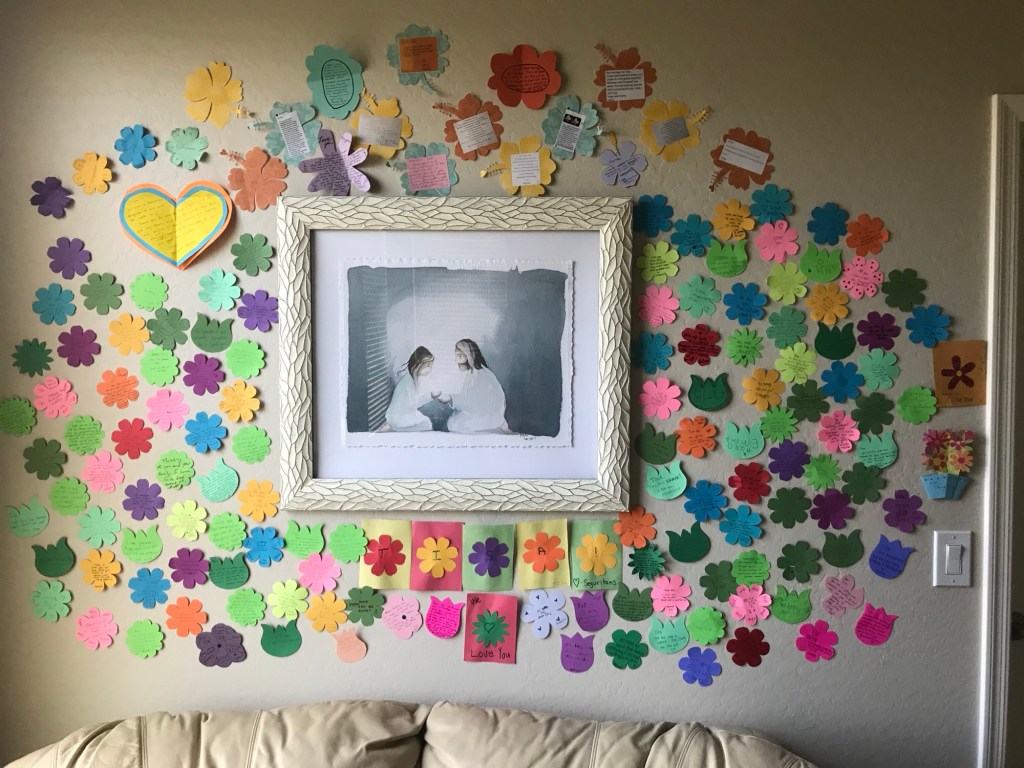
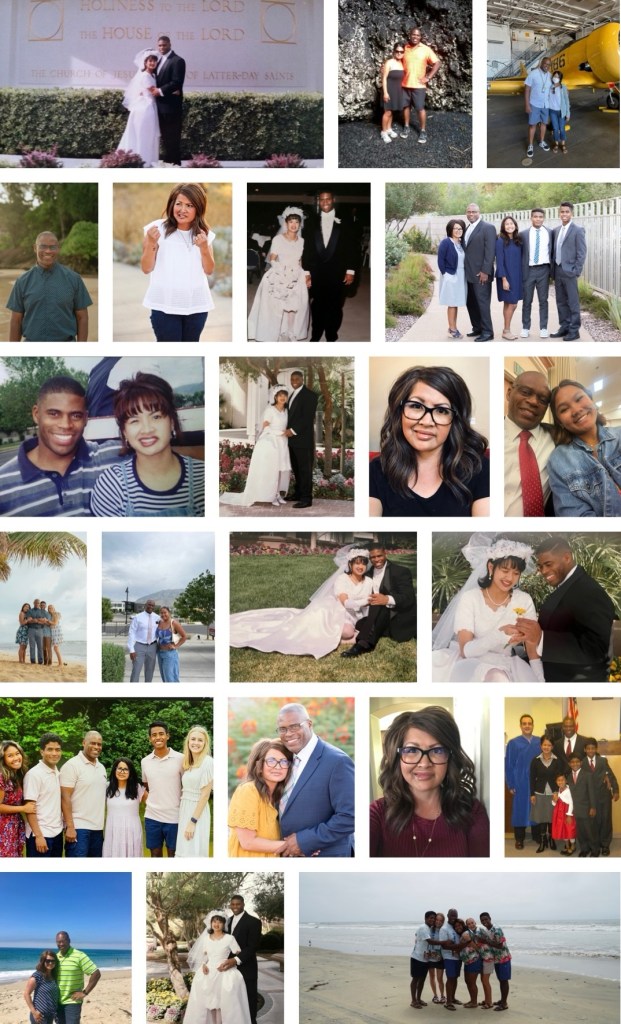
    When Tisa passed away from cancer, Easter stopped being symbolic hope and became living hope. I didn’t just lose my wife of 28 years — Tyson, Peyton, and Risa lost their mother. Our home grew quieter and at times, heavier.

    There were nights I prayed to know how we could go through life without her. Over time, I have come to understand something sacred: we are not asked to walk this road alone.

    Following the Resurrection, two disciples walked the road to Emmaus, grieving and confused. They did not recognize that the risen Savior was walking beside them (Luke 24:13-35). Only later did they realize He had been with them all along.

    Like them, we each walk our own road to Emmaus. For some, that road includes poor health, difficulty finding employment, divorce, wayward children or unexpected change. For me, it included hospital rooms, whispered prayers, and learning to move forward without the woman I love beside me.

    But the message of Easter is this: Jesus Christ walks with us. The Book of Mormon teaches that He suffered “pains and afflictions of every kind” so He would know how to succor His people (Alma 7:11–12). He understands grief. He understands sorrow. He understands us.

    The Atonement did not remove our heartbreak but it strengthened us inside it. His grace has met us in quiet moments. His peace has come when we needed it most.

    The Lord has promised: “My grace is sufficient for thee: for my strength is made perfect in weakness.” (Corinthians 12:9)

    I have learned that weakness is not a sign that we are failing — it is often the place where Christ’s power becomes most visible. And Easter means even more than strength for today.

    The Savior declared: “I am the resurrection, and the life.” (John 11:25)

    Because He lives, Tisa lives.

    Because He lives, cancer does not win.

    Because He lives, the grave is temporary and families are eternal.

    The Book of Mormon promises that the body and spirit will be reunited in perfect form (Alma 11:43). That promise fills our future with light.

    On our personal road to Emmaus, we can ask Him, as the disciples did, “Abide with us.” And when we do, our hearts begin to burn within us. We begin to recognize His hand. We see that He has been walking beside us all along.

    Because He lives, we never walk alone.

    Hope is stronger than grief.

    Light is stronger than darkness.

    Life is stronger than death.

    Praying you will always feel the Savior walking beside you.

  • Photo by Jordan Siemens/Getty Images

    During Stake Conference, our mission leader Sister Holmes gave a talk about redwoods which I felt impressed to share.

    She spoke about the magnificent California Redwood — trees that soar over 300 feet into the sky, standing as some of the tallest living things on earth. What struck me most wasn’t their height, their age, or even their beauty.

    It was their roots.

    Redwoods do not have deep taproots. In fact, their roots are surprisingly shallow — often only six to twelve feet deep. By themselves, that wouldn’t seem sufficient to hold up something so massive. And yet, these giants withstand coastal storms, heavy winds, flooding, and even earthquakes.

    How?

    Their roots grow outward — sometimes extending over a hundred feet — and they intertwine with the roots of other redwoods. Beneath the surface, unseen to the casual observer, there is a vast network of connection. They literally lock together. Their strength is collective.

    A redwood does not stand alone.

    As I listened, I couldn’t help but think of the Lord’s description of Zion in Moses 7:18: “And the Lord called his people Zion, because they were of one heart and one mind…”

    Zion is not simply a place. It is a people — spiritually intertwined, united in Christ, and committed to lifting one another.

    During Tisa’s valiant battle with cancer, I came to understand this in a way I never could have otherwise. It was our family, friends, and church community — disciples centered on Jesus Christ — who surrounded us. They brought meals. They sat quietly in hospital rooms. They prayed when we were too exhausted to form words. They lived the Savior’s teaching to lift up the hands which hang down and strengthen the feeble knees. They mourned with us when we mourned.

    There were days when our roots felt shallow. Days when faith felt fragile.

    But we did not stand alone.

    The strength of our church family, focused on Christ and bound by sacred covenants, held us steady through a long and sacred journey. I learned that enduring faith is rarely an individual achievement. It is often a collective one.

    Serving now as a missionary, I see that same divine pattern unfolding here in South Africa. In humble garages, beneath simple canopies, and inside repurposed buildings, Saints gather because the Savior taught in 3 Nephi 18:22: “Ye shall meet together oft…”

    They meet together to pray. They meet together to partake of the sacrament. They meet together to strengthen one another and to praise and learn of Christ.

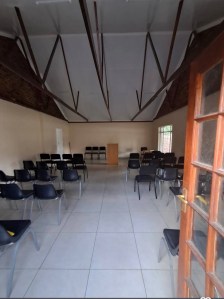
    Middelburg Chapel

    The buildings may be simple. The congregations may be small. But every time the Saints gather, roots intertwine. Faith deepens. Zion grows.

    That realization has caused me to reflect on my own root structure.

    Am I nourishing it daily through sincere prayer?

    Am I strengthening it through consistent scripture study?

    Am I consciously utilizing the power of the Atonement of Jesus Christ to repent, refine, and move closer to Him and to Heavenly Father?

    Am I providing Christlike service that binds my roots to others?

    Am I thoughtfully partaking of the sacrament each week, renewing covenants that anchor me to the Savior?

    These quiet, consistent practices are the unseen roots of discipleship. They are not flashy. They are not dramatic. But they are what allow us to stand tall when storms come.

    The Lord is growing His people here — one heart, one mind, one covenant at a time.

    Redwoods grow tall because their roots grow together.

    As we examine our roots daily, nourish them intentionally, gather often, and anchor ourselves in Jesus Christ, we too will stand tall like the majestic redwoods.

  • Tisa—

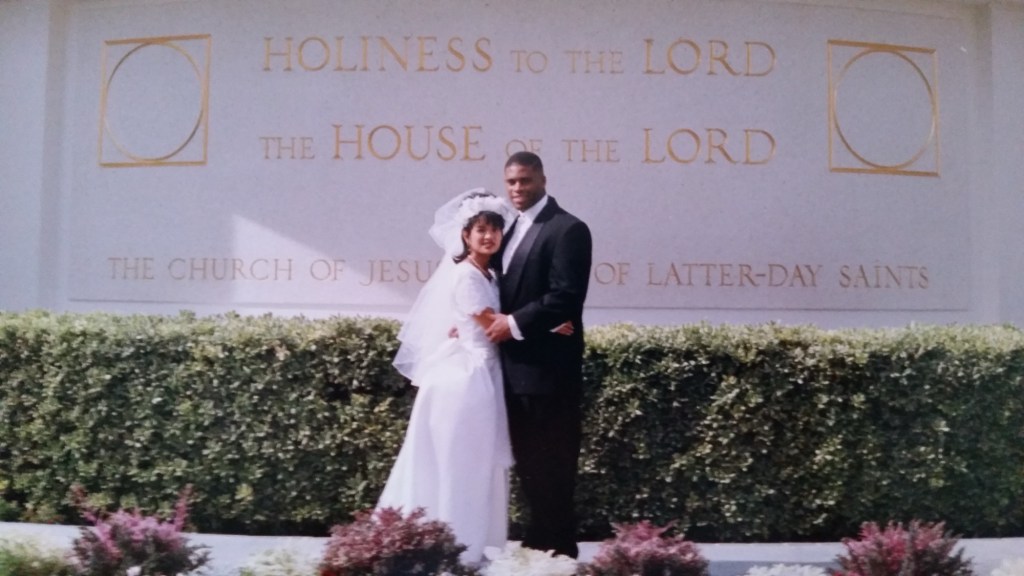
    Today would have been our 30th wedding anniversary.

    February 17, 1996.

    Marrying you, loving you, and raising a family with you has been the greatest blessing of my life. You noticed the overlooked, cheered for the struggling, and showed what Christlike love and service looked like in everyday life.

    You were fierce in the truest sense of the word—fierce in faith, fierce in loyalty, fierce in love.

    When cancer entered our story, you refused to let it write the ending. You chose faith over fear and hope over despair. The words of your personal mission statement still echo in my heart:

    “I have faith in Him. I have hope through Him. I have fight in me.”

    And you lived every word.

    You fought—not just for yourself, but for our children, for me, and for so many others who found strength because you stood beside them. Even when you knew you might never ring the victory over cancer bell yourself, you celebrated every person who did. That was you—always lifting, always giving, always inspiring.

    One of your favorite hymns I Will Follow God’s Plan reads, “My life is a gift; my life has a plan; My life has a purpose; in heav’n it began..” Tisa, your life was a gift—to our family, to your friends, and to everyone who felt your warmth and your laughter.

    Though I miss you deeply, I am not without hope. I have faith in Jesus Christ, our Savior and Redeemer. I know Heavenly Father has a divine plan for you, for our family, and for me. Jesus Christ carried us through the hardest seasons of life, and He continues to carry me and our family.

    Through His Atonement, and through the Restoration of the gospel and priesthood keys, I know that families are eternal—and that our temple covenants did not end with death.

    God be with you until we meet again, my love.

  • I recently heard a quote from President Spencer W. Kimball that caused me to ponder. He taught that we must not only leave Babylon, but also “give up the summer cottage there.” Babylon is often easy to recognize when it is loud and obvious. A summer cottage, however, suggests something quieter—something we do not live in, but return to because it feels comfortable, familiar, or safe.

    A cottage is not rebellion; it is retreat.

    President Kimball’s counsel reminded me that prophetic warnings are rarely meant to shame. They are loving invitations to examine our hearts and gently realign our lives with Heavenly Father and Jesus Christ. Often, the greatest spiritual obstacles are not major transgressions, but small attachments that slowly compete for our attention.

    This led me to think about the Book of Mormon distinction between the large plates and the small plates. The large plates recorded history, wars, and the outward affairs of a nation. The small plates were reserved for “the more part of the ministry”—testimony, doctrine, and the workings of God in individual hearts (1 Nephi 9:4).

    Both were important, but only the small plates were focused entirely on Christ.

    In many ways, Babylon and Zion present a similar contrast. Much of life requires attention to the “large plates”—daily family responsibilities, ambitions, work routines, and demands. But when those things begin to crowd out the “small plates” of our lives—quiet worship, prayer, scripture study, repentance, covenant keeping, and attentiveness to the Spirit—we may find ourselves spiritually malnourished.

    President Russell M. Nelson posed several questions that feel especially relevant in this context:

    Are you willing to let God prevail in your life? Will you allow His voice to take priority over any other? Are you willing to let your will be swallowed up in His?

    These questions are not about perfection. They are about priority—about whether we are making space for God to prevail and for the Holy Ghost to be our constant companion.

    Our modern “summer cottages” may look like small compromises, distractions, or habits we justify because they seem harmless. Nephi warned that some are not led away dramatically, but are instead “lulled… into carnal security” (2 Nephi 28:21). Like the large plates, these things may not be sinful in themselves, but they can quietly eclipse what matters most.

    The Savior’s invitation is always toward exaltation. As we center our lives more deliberately on Him, love for others grows, service becomes more natural, and the Spirit becomes easier to recognize. Mormon taught, “Pray unto the Father with all the energy of heart, that ye may be filled with this love” (Moroni 7:48).

    I testify that Jesus Christ is our Savior and Redeemer. He is the perfect example of a life wholly consecrated to Heavenly Father. As we choose Him more completely and let go of anything that pulls our hearts away, He blesses us with peace, direction, and the constant companionship of the Holy Ghost. In Him, Zion becomes not just our destination, but our way of life.

    What small but familiar “summer cottage” might the Lord be inviting me to release so I can feel His Spirit more fully?

  • John the Baptist Baptizing Jesus
    by Greg Olsen

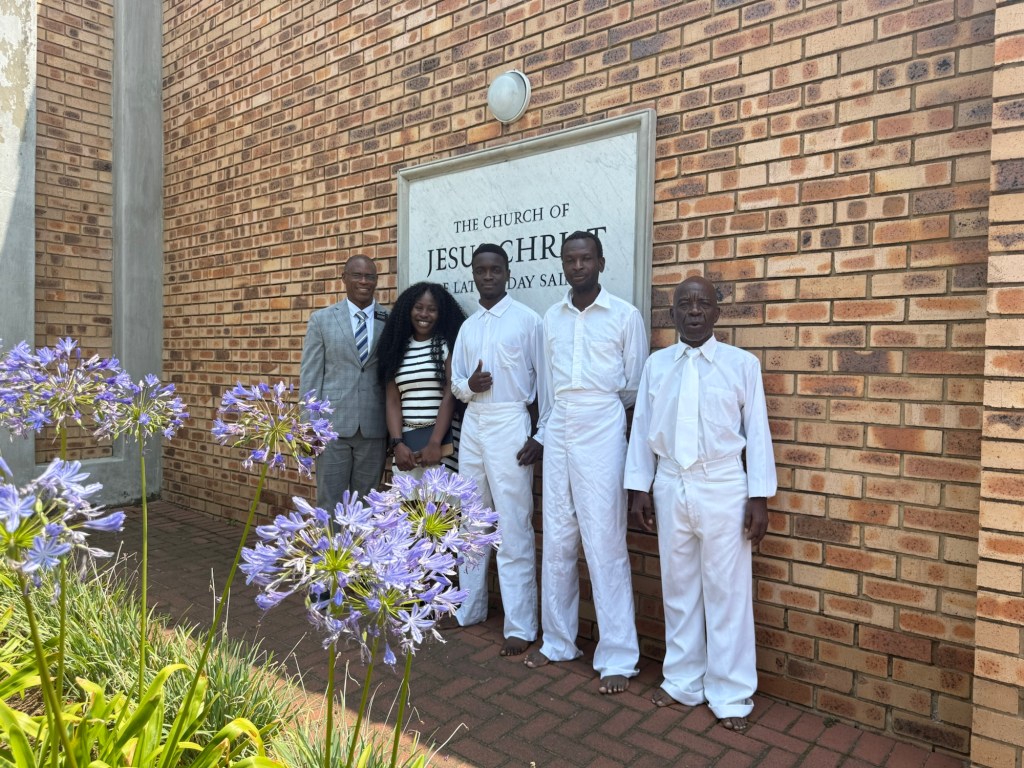
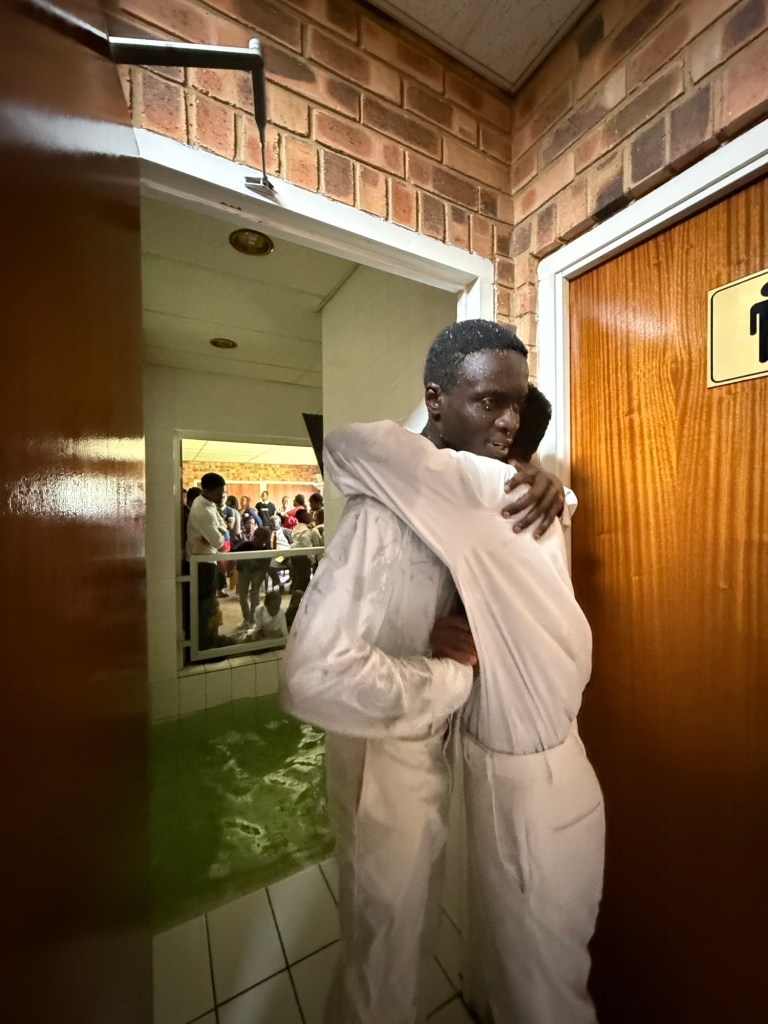
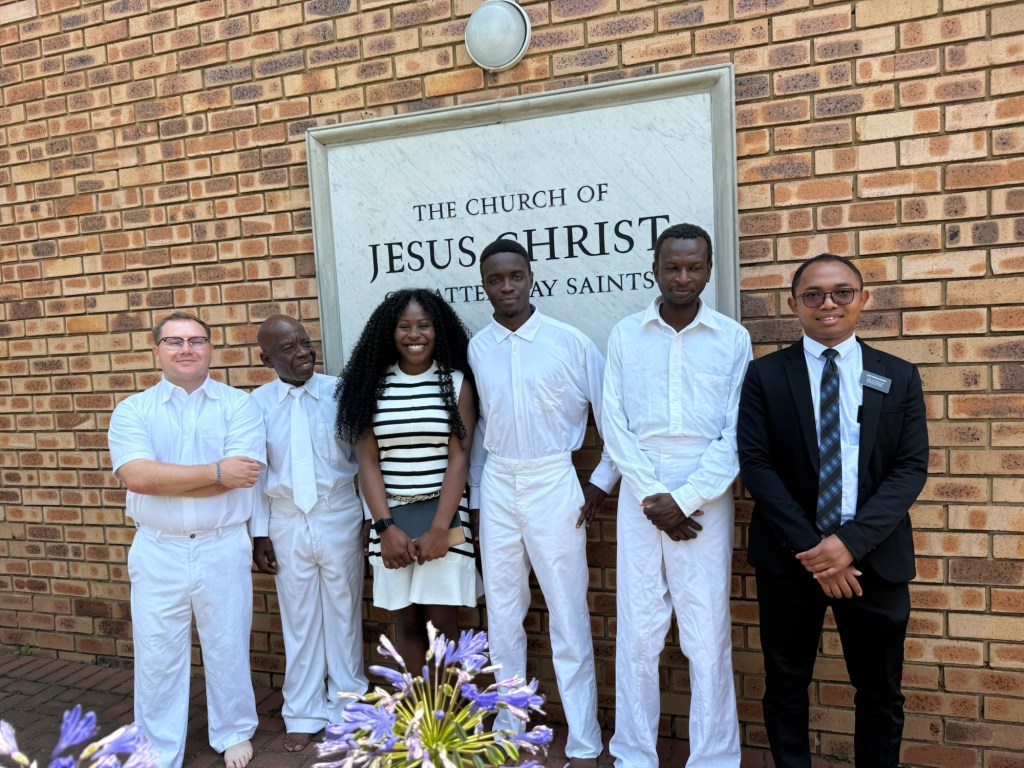
    Today, I had the opportunity to attend Rudy’s baptism, and I left feeling deeply moved—not just by the ordinance itself, but by the quiet acts of faith that led him there.

    Rudy’s journey began long before entering the waters of baptism. It began with a gentle thought.

    His neighbor, Amina, felt a simple impression to invite him to a youth activity. There was nothing dramatic about it. No grand speech. Just a generous thought—and the courage to act on it. Sister Camilla E. Kimball once taught, “Never suppress a generous thought.” Watching Rudy enter the waters of baptism, I realized how powerful that counsel truly is. One small, loving invitation created space for Heavenly Father to work in the life of a beloved son.

    Before Rudy was baptized, Amina was invited to speak about the gift of the Holy Ghost. As she spoke, it became clear that her words were not just doctrine—they were testimony shaped by experience. She described the Holy Ghost as God’s promise to walk with us, reminding Rudy—and all of us—that the Lord never intended for His children to face life alone.

    She testified that the Spirit often speaks quietly, through peace, clarity, and gentle reassurance. Not in dramatic moments, but in the stillness of the heart. As she spoke, I couldn’t help but see the connection: the same quiet Spirit that comforts and guides is the Spirit that prompts us to love, to share, and to invite.

    Amina followed that quiet prompting. She didn’t know where it would lead. She didn’t know how Rudy would respond. She simply trusted the feeling that came with light and peace—and acted. That choice opened the door for Rudy to learn, to believe, and ultimately to make sacred covenants with God.

    What stood out most to me was the truth that the Holy Ghost doesn’t just guide those who are preparing for baptism—it guides those who are willing to help others come unto Christ. The Spirit is just as active in the life of the inviter as it is in the life of the one being invited.

    Rudy’s baptism was a powerful reminder that God works through ordinary people who listen to quiet impressions. Love doesn’t have to be loud. Sharing doesn’t have to be complicated. Inviting doesn’t have to be perfect. It just has to be sincere.

    As I watched Rudy enter the covenant path, I felt gratitude for a Heavenly Father who speaks softly, for a Savior who keeps His promise to never leave us comfortless, and for the truth that when we act on generous thoughts, heaven multiplies them.

    Sometimes the most life-changing moments begin with something as simple as an invitation—and the willingness to listen to the Spirit when it whispers, “Ask them.”

  • Savior’s Lullaby by
    Kelsy and Jesse Lightweave

    As I was reading Psalm 18, I felt as though the Lord was gently recounting the story of my life back to me: “In my distress I called to the Lord… From his temple he heard my voice… He reached down from on high and took hold of me; He drew me out of deep waters… My God turns my darkness into light.”

    For many years, my trial was not brief or dramatic, but constant. There were long seasons of uncertainty, fatigue, and quiet pleading. I learned that crying out to God did not always bring immediate relief or answers, but it always brought His presence. He did not remove the trial, but He anchored me, steadied me, and gave me light sufficient for each day.

    The Book of Mormon teaches this pattern. Alma testified, “Whosoever shall put their trust in God shall be supported in their trials, and their troubles, and their afflictions.” (Alma 36:3) And in Mosiah we learn that the Lord did not immediately remove the burdens of His people, but “did strengthen them that they could bear up their burdens with ease.” (Mosiah 24:15) I have come to know that this strengthening power is real.

    I have also come to know that one of the greatest ways the Lord provides that strength is through sacred covenants—especially temple covenants. When trials are long and heavy, covenants are not restrictions; they are anchors. They bind us to Jesus Christ and open our lives to His sustaining power. Even when I fell short, I felt the Savior reaching down, forgiving, and guiding me back toward light.

    I love God and His Son, Jesus Christ. I know the Restoration of the gospel is real and that the Book of Mormon is another testament of Him. I know temple covenants matter—especially when deliverance comes slowly. I invite each of us to draw closer to the Savior by making and keeping sacred covenants and turning to Him in prayer, trusting that He will strengthen us to endure and, in His way and time, lift us—just as He has lifted me

  • The Sower

    At the beginning of December, I prayed for something very specific: the opportunity to give someone a Book of Mormon before Christmas. As I followed promptings to adjust my plans, I met someone who willingly accepted a copy. She even expressed a desire to read it and attend Christmas services. Although she didn’t read as promised or come to church, I have come to see that Heavenly Father still answered my prayer.

    In Matthew 7:7-9 The Savior taught, “Ask, and it shall be given you; seek, and ye shall find; knock, and it shall be opened unto you.” Prayer invites us not only to ask, but to trust the Lord with the outcome.

    Elder David A. Bednar reminds us in “Ask in Faith” that meaningful prayer involves both sincere asking and righteous action. I acted on the prompting. What happened next was not mine to control.

    In Alma 32:28 we are taught Alma faith often begins as a seed. If we plant it, “it will begin to swell within your breasts.” Whether or not we see immediate growth, the ground was prepared, the seed has been planted—and God cultivates and nourishes it in His time.

    Elder Richard G. Scott taught: “Ask, and ye shall receive … does not assure that you will get what you want. It does guarantee that, if worthy, you will get what you need, as judged by a Father that loves you perfectly.”

    President Dallin H. Oaks has taught that real intent in prayer means being willing to do whatever the Lord asks—not seeking a specific result, but offering our will to His. This experience reminded me that specificity in prayer is not about controlling outcomes, but about consecrating our desires to God and trusting Him with the harvest.

    I am grateful for all who prepared the soil, planted seeds of faith, and lovingly nurtured my testimony of the restored gospel of Jesus Christ.

  • His Hand is Stretched Out Still
    by Yongsung Kim

    At Christmas, I think about the people who have carried me through both joy and loss. If you’re reading this, you’re one of them—and I want you to know how grateful I am for you. Thank you for being willing to be your brother’s keeper, as we are gently reminded in the hymn “Lord, I Would Follow Thee.”

    My faith did not come quickly or easily. It was shaped by years of searching, questioning, and hoping for something true enough to hold onto. I never wanted borrowed belief—only something I could lean on when life felt heavy.

    Many of you knew Tisa. Being her companion for 27 years changed me, and losing her did too. Grief has a way of staying, but so does love. In the quiet moments when sorrow felt overwhelming, my faith in Jesus Christ became a steady presence—gentle, sustaining, and reassuring me that I was not alone, even when the road felt dark and lonely.

    Alongside the Bible, the Book of Mormon has become deeply personal to me—not because it answers every question, but because it continually points me to Christ. It reminds me that He sees sorrow others can’t, and that He meets us with compassion and understanding exactly where we are.

    I’m not trying to convince anyone of anything. I simply wanted to share something that has mattered deeply to me. Christmas has taught me that light still comes, even after long nights, and that hope can quietly exist alongside sorrow.

    In this season of remembrance and celebration, my prayer for you is simple and heartfelt: that peace may find you, joy may stay with you, and happiness may gently grow in your life.

  • Today my heart is full as I think about Sister Jennifer and the quiet, powerful gift she offers every week.

    Sister Jennifer

    Sister Jennifer opened her home—her garage—to become a sanctuary. Because of her willingness to consecrate her space, families can worship closer to their homes and avoid the burden of transportation costs. Many now walk to church, gathering as a humble, faithful group of Saints who come each week to sing hymns of praise and partake of the sacrament.

    As we lifted our voices together, I felt the Spirit settle over us. It was as if heaven itself recognized the devotion of this small congregation and the sacrifice that makes it all possible.

    Sister Jennifer’s backyard even became a place of covenant keeping. On Sunday, I witnessed a baptism take place in a simple font behind her home. In that quiet moment, I felt the unmistakable witness that the Lord sees every offering—no matter how small it may seem to the world.

    Her home has become holy ground. Her service is shaping lives by bringing them unto Christ. And her example reminds me that the Lord works through willing hearts, open doors, and simple acts of love.

    Grateful for Sister Jennifer. Grateful for this little branch of believers. Grateful for a God who meets His people wherever they gather in His name.

    “For where two or three are gathered together in my name, there am I in the midst of them.” — Matthew 18:20